

Whether you’re a seasoned contractor or just beginning to plan large-scale groundworks, understanding the capabilities of these powerful machines is essential for efficiency and success. If your job involves moving earth, shaping land, or ensuring your site is perfectly prepped, read on to learn how the right dozer can transform your operation.
What Is a Bulldozer Used For?
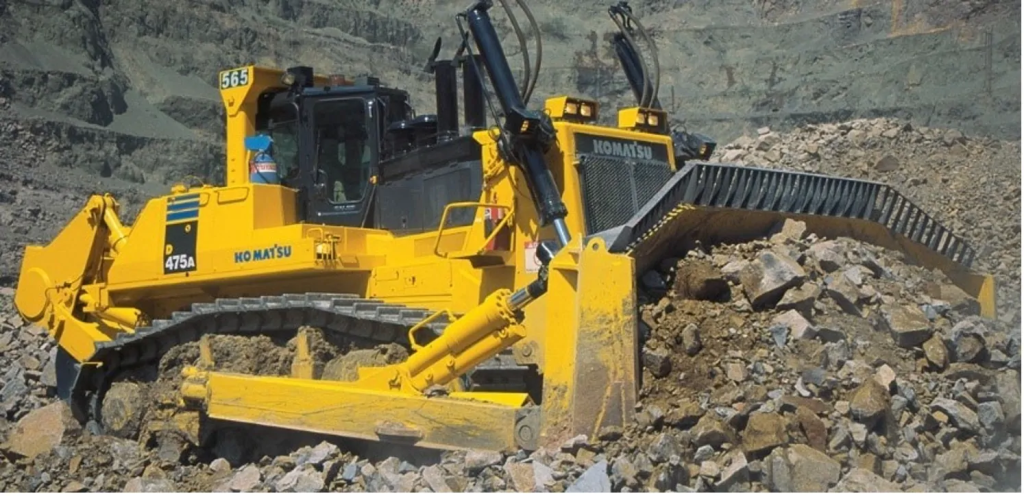
A bulldozer is built to move large amounts of earth, aggregate, and debris quickly. Its front blade lets operators push, spread, or strip material across a site with precision.
Typical applications include:
- Bulk earthmoving
- Site levelling and grading
- Road formation
- Muck shifting
- Land clearance
- Embankment building
Dozers have tracks instead of wheels, so they keep good traction on soft, uneven, or muddy ground where wheeled machines might get stuck. This makes them especially useful for early groundwork and civil engineering jobs.
Why Are Bulldozers Essential on Construction Projects?
On most sites, work begins with preparing the ground. If the land isn’t shaped properly, every step after that becomes more difficult.
Bulldozers help contractors:
- Create safe, level working platforms
- Improve site access routes
- Manage spoil and stockpiles
- Support drainage and grading works
In simple terms, bulldozers keep projects on track. If ground preparation is delayed, it can slow down many other trades. Having reliable equipment from the start helps keep the schedule on time.
Are Bulldozers Difficult to Operate?
Modern bulldozers are easier to use than many people think. They use ergonomic joystick controls instead of complicated levers. This helps operators control the blade, movement, and speed more precisely and reduces fatigue during long shifts.
Cab design also plays a major role. On AE Faulks’ Komatsu dozers, cab dampening systems absorb shock and vibration when travelling across rough ground. This creates a quieter, more comfortable environment, something operators value on demanding earthworks projects.
A more comfortable cab not only improves working conditions, but also helps operators work more safely and accurately all day.
What Should You Look for When Hiring a Bulldozer?
Not all dozers are the same, so picking the right one is important. Here are some key things to consider:
- Ground conditions: Soft or waterlogged terrain requires low-ground-pressure machines.
- Blade configuration: Six-way blades allow for more precise shaping and grading.
- Machine size: Larger dozers suit heavy bulk work, mid-size machines offer manoeuvrability.
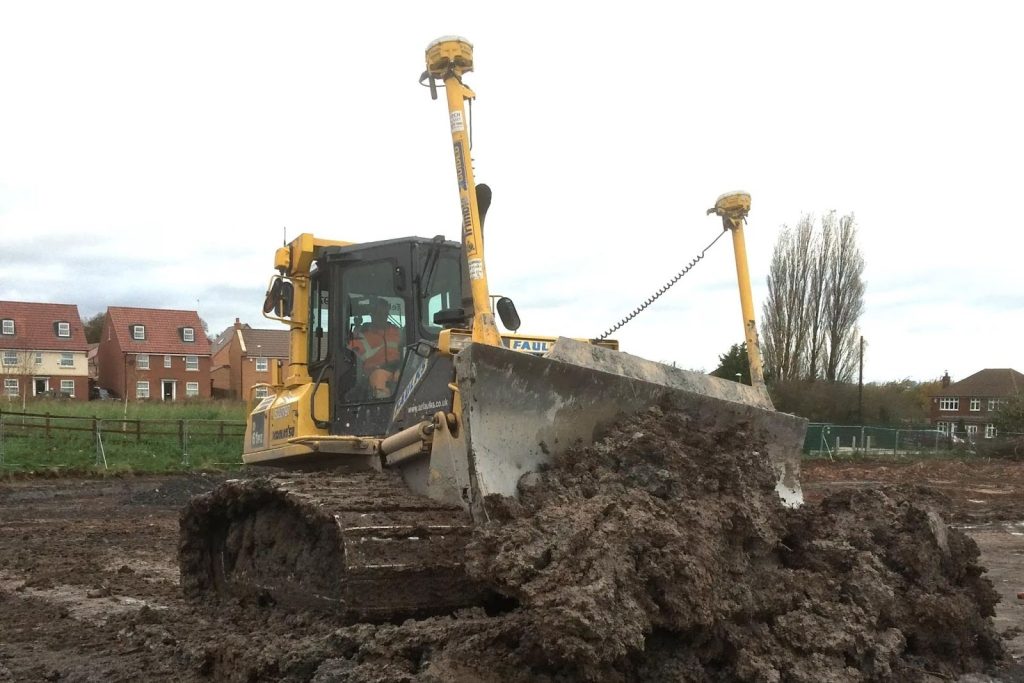
- Technology integration: GPS or laser grading improves accuracy on complex designs.
When you hire from a trusted provider, you know the machine is well-maintained, ready for the site, and meets safety standards. This lowers the risk of delays once work starts.
Bulldozers Available from AE Faulks
AE Faulks offers Komatsu bulldozers as part of its plant hire fleet, supporting contractors throughout the West and East Midlands.
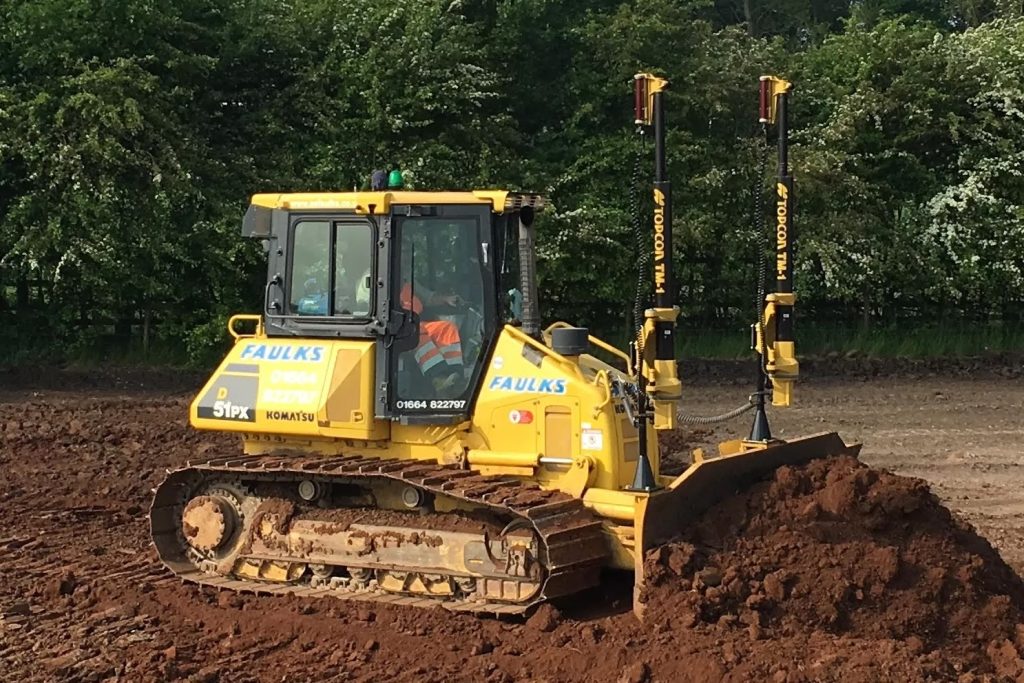
Komatsu D51PX LGP
This model is great for shaping and trimming jobs where control and a good finish are important. It can use laser or GPS grading technology, so it’s ideal for projects that need precise leveling, like road building or site platforms.
Its cab-forward design improves visibility, while integrated ROPS/FOPS protection supports on-site safety. Operators also benefit from a pressurised cab environment that helps reduce dust ingress during operation.
Komatsu D61PX LGP
For heavier earthmoving demands, the D61PX LGP provides additional power and durability. Its low ground pressure undercarriage increases track contact with the ground, allowing it to operate more effectively on soft surfaces without sacrificing stability.
The six-way blade enables efficient grading, levelling, and material movement, while the super slant nose design enhances the operator’s forward visibility.
Inside the cab, features like air-suspended seats and climate control make the workspace more comfortable, which is especially helpful during long shifts or on exposed sites.
How Important Is Bulldozer Maintenance?
A reliable machine depends on good maintenance and smart design. Well-maintained dozers use less fuel, wear out more slowly, and are less likely to break down during a project.
Features that support efficient servicing include:
- Ground-level service access
- Real-time monitor panels
- Accessible cooling systems
- Simplified component layouts
AE Faulks keeps its machines in top condition for tough construction sites, so contractors can trust the equipment will work well for the whole hire period.
When Should You Hire a Dozer Instead of an Excavator?
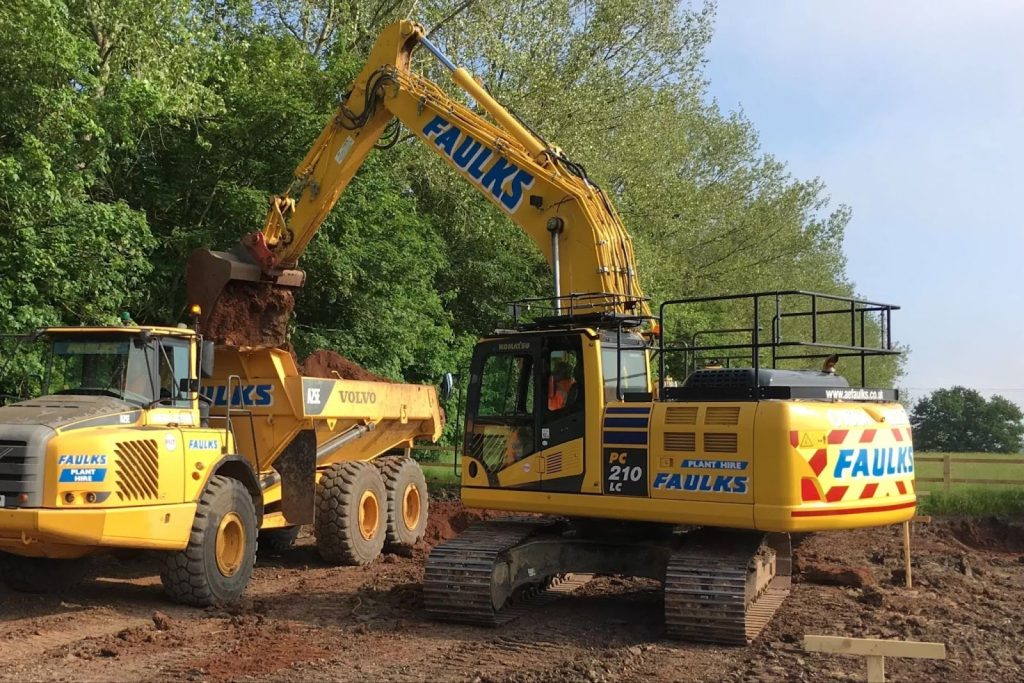
This is a common question, and the answer depends on the job. Excavators are made for digging and lifting up and down. Bulldozers, on the other hand, are built for pushing, spreading, and grading across the ground.
If your project involves:
- Large-scale levelling
- Bulk material redistribution
- Formation preparation
A dozer will usually get the job done faster and more efficiently.
Many sites use both machines together, excavators move the material, and dozers shape and finish the ground.
Choosing the Right Bulldozer Hire Partner
Support is just as important as the machine itself. When you work with an experienced plant hire company, you get:
- Guidance on machine selection
- Reliable delivery schedules
- Operated hire options if required
- Ongoing technical support
AE Faulks partners with contractors in infrastructure, civil engineering, and construction, providing equipment that’s ready for real site conditions, not just what’s listed.
Speak to AE Faulks About Bulldozer Hire
For efficient groundworks, road construction, or site preparation, AE Faulks offers bulldozer hire across the East and West Midlands. Our wider fleet, available in other areas, includes excavators, dump trucks, sweepers, and haulage services. Contact us today or request a quote to discuss your project, machine availability, or operated hire options. Start with the right equipment and support.